
 |
| "To follow God wherever he might lead is to behold God” - Gregory of Nyssa |
In much contemporary theological ethics, we see a revival of pre-modern ideas, where such things as virtue and biography play central roles (e.g. Hauerwas; Stassen & Gushee). These ideas are often bound up with a notion of discipleship or following God.
Ideas that right living consists in 'following God' (following=ἀκολουθία), rather than living by abstract principles are, of course, not a modern invention. In his On the Life of Moses, Gregory of Nyssa explained that:
Hence, says Gregory, “[...]to follow God wherever he might lead is to behold God” (DeVitMoys. 2.252). Following Christ establishes “[...]a kind of affinity and likeness between him who follows and Him Who leads the way.” (Cat. 35, p. 502), but to follow God does not so much mean to follow certain rules of conduct as to imitate his works and deeds in the history of salvation:“[...]when the Lord who spoke to Moses came to fulfill his own law, he likewise gave a clear explanation to his disciples, laying bare the meaning of what had previously been said in a figure, when he said, If anyone wants to be a follower of mine and not “If any man will go before me.” And to the one asking about eternal life he proposes the same thing, for he says Come, follow me.” (DeVitMoys. 2.251)
Gregory of Nyssa (c. 335-395)

“[...]the method of our salvation was made effectual not so much by His precepts in the way of teaching as by the deeds of Him Who has realized an actual fellowship with man, and has effected life as a living fact.” (Cat. 35, p. 502)Though Gregory bases his idea of following God on many of the same passages from the New Testament as modern theological ethicists, we cannot, of course, assume any similarities in their understanding of ethics. It is not impossible, however, that there are enough similarities that the idea of ethics that we find in Gregory can inform and inspire modern ideas of following.
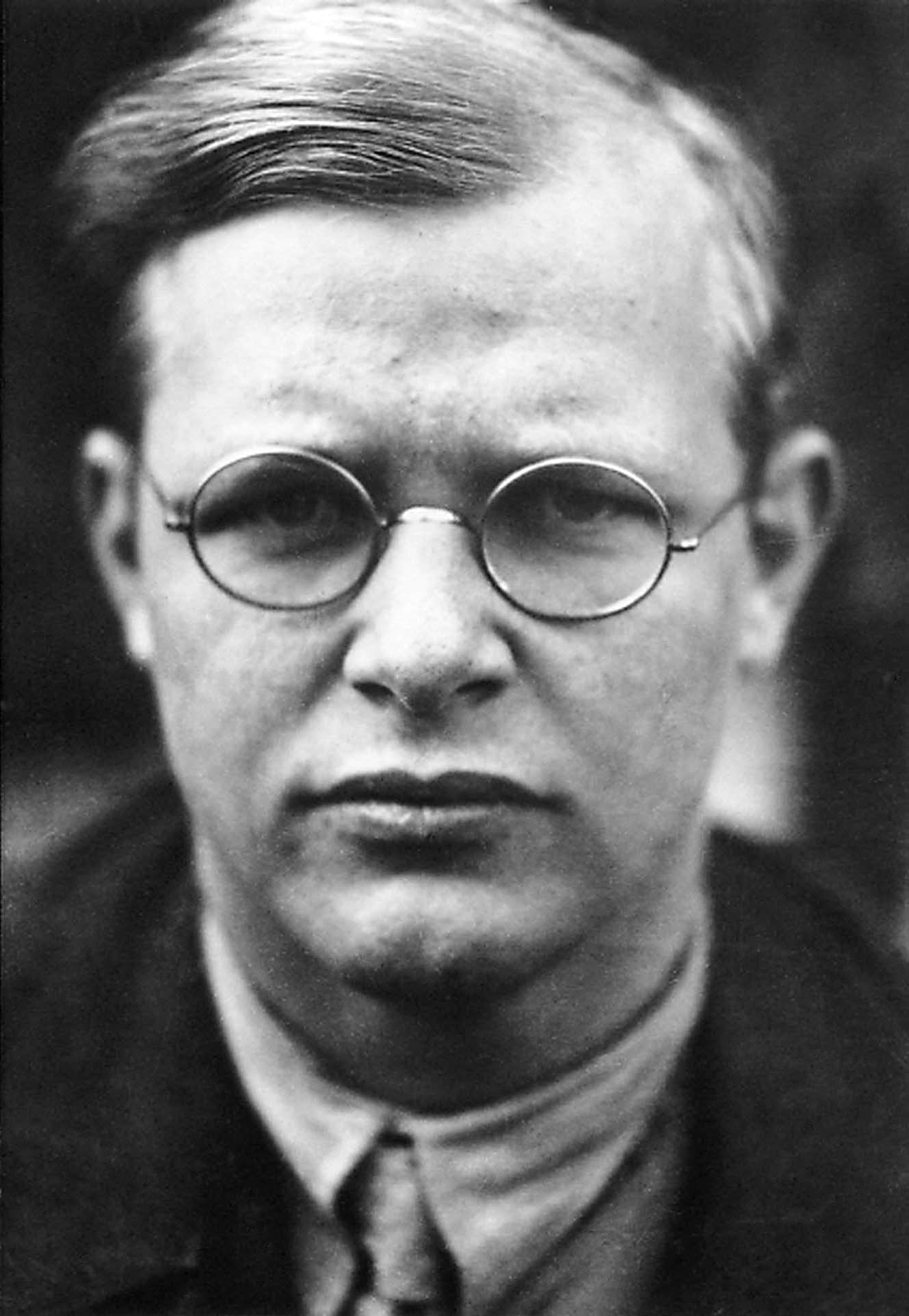 |
| Can Dietrich Bonhoeffer's idea of following God (Nachfolge) be compared to Gregory of Nyssa? |
The “simple man” (simplicity being a virtue) is described by Bonhoeffer as the man who is not “fettered by principles, but bound by love for God” and as such “free from the problems and conflicts of ethical decision.” (Ethics, p. 50) Ethical principles are as “tools in God's hand, soon to be thrown away as unserviceable.” (Ethics, p. 51). This also means that “[...]Christian ethic is beyond formalism and casuistry.“ (Ethics, p. 66).
Of course modern ethics is typically based on a theory of personality quite different from that of late antiquity. But this does not mean that modern theological ethics should not let itself be informed by such thinking, starting especially where they agree, the negative claim that following does not consist in abiding by abstract rules.
With Gregory of Nyssa and similar thinkers ethical principles are arguably at most instrumental in an ongoing spiritual development. They are 'epinoia' (iconic, constructed concepts) pointing to God, but not adequate descriptions of the good. I suggest that with Gregory all this is best understood in terms of a narrative or biographic take on such things as moral reasoning, virtues and rules. In such 'biographical' ethics, (positive) moral characteristics can only be grasped as they exist in a concrete, personal history. Hence Gregory's idea of 'following' might prove to be informative for the theological and ethical dimensions of (post-)modern takes on such things as narrativity, personal history and similar things.
Johannes Aakjær Steenbuch

Ingen kommentarer:
Send en kommentar